
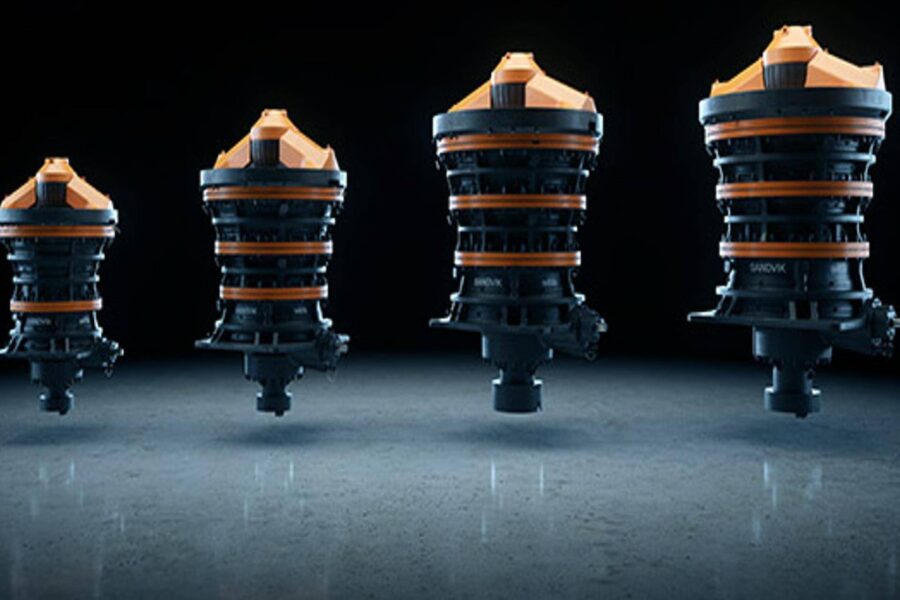
Primary crushing performance is not defined by nameplate capacity alone. Hard rock tests feed control, chamber selection, maintenance planning and liner management. This guide explains how operators can protect throughput, reduce unplanned stoppages and manage wear without sacrificing product consistency or equipment life under demanding mine conditions day after day.
At a large hard-rock operation, the primary crusher sets the pace for every downstream stage. Poor feed control, uneven wear or delayed maintenance can restrict an otherwise capable plant. Stationary gyratory crushers are built for high-capacity primary crushing, but performance still depends on correct selection and disciplined operation. The best results come from matching feed size, rock characteristics, chamber design and operating settings. Teams must then track trends, plan liner changes and respond before small shifts become costly stoppages. This balanced approach protects throughput while keeping safety, reliability and product quality central to daily decisions across the entire plant operation.
Throughput Begins Before the Crushing Chamber
A crusher cannot maintain steady output if the feed arrives in uncontrolled surges. Large variations in fragment size and material flow can cause loading changes, blockages and inconsistent crushing.
Review blasting results, haulage patterns, dump-pocket capacity and feeder performance as one system. The aim is a controlled flow of material that uses the chamber effectively without overloading the machine.
Crusher size should reflect the required capacity and maximum feed opening. Sandvik’s stationary CG range covers different duties, with published capacities extending from 1,300 to 8,250 metric tonnes per hour, depending on the model and operating conditions.
Keep the Chamber Consistently Filled
A stable crushing chamber supports predictable throughput and product size. Irregular filling can create uneven loading and concentrate wear in limited areas.
Operators should monitor feed level, power draw and crusher setting together. One reading rarely explains the complete condition. A change in power may reflect different rock hardness, altered feed grading or growing chamber wear.
Avoid chasing short peaks in hourly production. A slightly lower but stable rate may produce more saleable tonnes across the full shift if it reduces stoppages and mechanical stress.
Uptime Depends on Early Warning
Unplanned downtime often begins with a small condition that was missed or treated as unimportant. Lubrication flow, oil temperature, bearing condition and system pressure need regular attention.
Monitoring systems can provide live information and alarms for lubrication, spider-bearing grease and overpressure systems. This data helps teams identify abnormal conditions before they develop into serious faults.
Alerts still require clear action rules. Assign responsibility for reviewing warnings, checking trends and escalating concerns. Data creates value only when people use it to make timely maintenance decisions.
Liner Wear Changes Crusher Behaviour
Mantles and concaves gradually lose their original profile as abrasive rock passes through the chamber. The change affects capacity, power demand and product size before the liners reach their final replacement point.
Modern gyratory crushers may automatically adjust settings to compensate for chamber wear and support consistent output. Automatic control does not remove the need for inspections, measurements and experienced judgement.
Track wear by operating hours and processed tonnes. Include feed characteristics and setting history in the record. This creates a clearer basis for predicting liner life than calendar-based replacement alone.
Choose Liners for the Actual Feed
The longest-lasting liner is not automatically the most productive choice. Chamber geometry must suit feed size, rock properties, target product and operating settings.
An unsuitable profile may restrict capacity or create uneven wear. It may leave parts of the liner underused while other areas reach their limit early.
Review liner performance after every campaign. Compare wear patterns, tonnes processed, power use and product consistency. Share accurate operating data with the equipment or chamber specialist before selecting a replacement profile.
Plan Maintenance Around Production Risk
Maintenance planning should focus on production exposure, not just the length of the shutdown. A rushed liner change may save hours initially but create alignment, fastening or inspection problems later.
Prepare parts, lifting equipment, tools and labour before stopping the crusher. Confirm access arrangements and safety controls through the site’s approved procedures.
Use planned shutdowns to inspect related components that cannot be checked easily during operation. Combining suitable tasks can reduce the number of separate interruptions across the production schedule.
Measure Tonnes Between Interruptions
Hourly capacity shows what the crusher can process while running. It does not reveal how much production is lost through blockages, inspections, waiting time or breakdowns.
Track total tonnes alongside availability, stoppage frequency and average interruption length. Separate crusher-related downtime from upstream and downstream delays.
This distinction prevents teams from adjusting a healthy crusher to solve a problem elsewhere. It points attention towards the real production constraint and supports better investment decisions.
FAQs
Does maximum capacity guarantee maximum production?
No. Actual output depends on feed grading, rock properties, settings, chamber condition and plant availability.
Why does throughput fall as liners wear?
Wear changes the chamber profile and can affect material movement, power demand and product size.
Can automation replace manual inspections?
No. Automation supports control and condition monitoring, while physical inspections remain essential.
Should liners be changed after fixed operating hours?
Not necessarily. Decisions should consider measured wear, processed tonnes, performance trends and safe operating limits.
What is the clearest sign of a primary-crushing problem?
There is no single sign. Review feed behaviour, power, settings, product size, alarms and downtime together.
Conclusion
Strong primary crushing performance comes from controlling the complete process rather than pushing the machine towards its highest possible hourly figure. Feed consistency, suitable chamber selection and stable operating settings create the foundation for dependable output. Condition monitoring and clear alarm responses protect availability by helping teams act before minor issues lead to long stoppages.
Liner management deserves equal attention. Wear measurements, processed-tonnage records and chamber inspections make replacement planning more accurate. Maintenance teams should prepare parts, tools, lifting arrangements and inspection tasks before each shutdown.
The most useful measure is sustainable production across weeks and months. Operators should compare tonnes processed with availability, power demand, product consistency and interruption history. This shows whether changes are improving the entire circuit or merely creating short production peaks. When feed control, maintenance planning and liner selection work together, gyratory crushers can deliver the steady, high-capacity primary crushing that hard-rock plants require.