
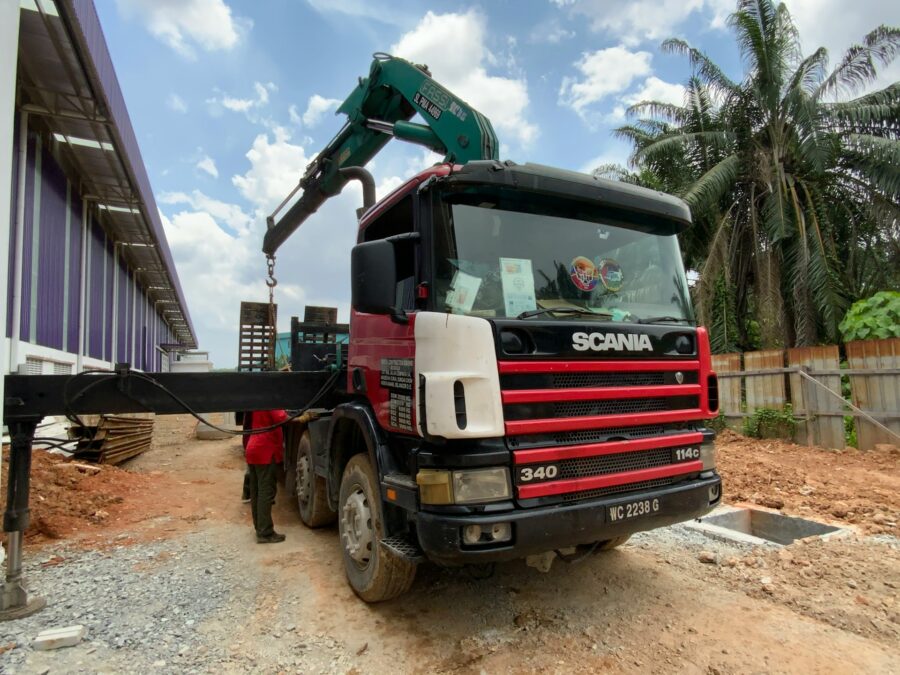
Construction projects generate considerable waste, from excavated soil and broken concrete to timber and unwanted building materials. Choosing the right waste removal method can influence project costs, site safety and construction schedules. Grab lorries and skips are two widely used solutions, but each offers different advantages depending on the nature and scale of the work.
Homeowners and contractors considering grab lorry hire Slough should evaluate their waste removal requirements before making a decision. Understanding the differences between mechanical waste collection and traditional skip hire can help prevent unnecessary expenses, improve site organisation and reduce construction disruption.
Understanding How Grab Lorry Hire Works
A grab lorry uses a hydraulic arm and mechanical bucket to collect waste directly from accessible piles. This method is useful for removing heavy materials generated during excavation, demolition, groundwork and landscaping projects without requiring extensive manual loading.
Choosing grab lorry hire Slough can be beneficial for projects involving substantial quantities of soil, rubble or concrete. However, contractors must ensure that the vehicle has sufficient access and operating clearance to collect materials safely.
How Traditional Skip Hire Works
Skip hire involves delivering a waste container to a property or construction site for an agreed period. Homeowners and contractors can place suitable waste inside the container as building work progresses before arranging collection.
This approach works well for renovations that generate waste gradually. However, skips require adequate placement space, and certain materials may be prohibited. Selecting an appropriate container size helps prevent overloading and unnecessary additional collections.
Comparing the Types of Waste Each Option Can Handle
Grab lorries are generally suitable for bulk materials such as soil, hardcore, bricks and concrete. Skips offer greater flexibility for many renovation projects involving a mixture of permitted construction materials.
Before arranging either service, consider the following waste management requirements:
- The expected quantity of construction waste.
- The weight and composition of discarded materials.
- Whether different materials require separation.
- The presence of hazardous or restricted substances.
- Available recycling and disposal arrangements.
Acceptance policies vary between providers, so confirming material restrictions beforehand can prevent collection difficulties and unexpected charges.
Evaluating Site Access and Available Space
Construction sites with limited space may benefit from grab lorry collections because a permanent waste container is not required. Mechanical loading can also reach certain waste piles that are difficult to access directly.
However, grab lorries require sufficient vehicle access and overhead clearance. Skips may be more suitable for properties with restricted operating space, provided there is adequate room for delivery, placement and eventual collection.
Comparing Waste Removal Costs
Waste removal costs depend on material quantities, transportation distances, collection arrangements and disposal charges. Grab lorries may offer better value for substantial quantities of heavy waste, while skips may be more economical for smaller projects requiring gradual disposal.
Homeowners should obtain detailed quotations and compare overall expenses rather than individual collection rates. Extended skip hire periods, additional collections and restricted materials can affect the final cost of waste removal.
Advantages and Limitations of Both Options
Both services can support efficient construction waste management when selected according to project requirements. The main differences relate to loading methods, storage arrangements and collection schedules.
Understanding these practical differences allows homeowners and contractors to choose an option that complements their construction activities rather than creating additional difficulties.
Advantages and Limitations of Grab Lorries
Grab lorries offer efficient bulk collection, reduced manual handling and relatively quick site clearance. They are especially useful during excavation and groundwork projects involving heavy materials.
However, restricted access, overhead obstacles and unsuitable waste positioning can limit their effectiveness. They may also be less economical for small quantities of waste.
Advantages and Limitations of Skips
Skips provide convenient on-site waste storage throughout construction. They are suitable for projects where discarded materials accumulate gradually over several days or weeks.
However, manual loading requires additional effort, and containers occupy valuable working space. Skips placed on public highways generally require permission from the local authority.
Choosing the Right Option for Your Project
Consider the construction schedule, available space and anticipated waste quantities before booking a collection. Larger excavation projects may benefit from mechanical bulk removal, while kitchen renovations and smaller building projects may suit skip hire.
Regardless of the chosen method, homeowners should verify waste carrier registration and confirm responsible disposal arrangements. Coordinating collections with contractors can also minimise construction interruptions.
Frequently Asked Questions
Q.1 Is grab lorry hire cheaper than skip hire?
It depends on waste quantities, material types and collection requirements. Grab lorries may offer better value for bulk clearance.
Q.2 Can grab lorries collect mixed construction waste?
Acceptance varies between providers. Separating soil, rubble and other materials may be necessary.
Q.3 Which option is better for garden renovations?
Grab lorries suit large excavation projects, while skips are practical for smaller garden clearances.
Q.4 Do grab lorries require manual loading?
No. Hydraulic equipment collects accessible, suitable waste materials directly.
Q.5 When should I arrange construction waste removal?
Arrange collection before work begins and coordinate removal dates with your construction schedule.
Conclusion
Grab lorry hire and skip hire offer practical solutions for different construction waste requirements. Grab lorries are suitable for bulk clearance, while skips provide convenient storage for gradual waste accumulation.
By considering accessibility, costs, waste types and project duration, homeowners can select the most appropriate disposal method. Careful planning supports safer working conditions, responsible waste management and more efficient construction projects.
