Creating original content requires significant time, effort, and research. Whether you write a university research paper, craft a blog post for a client, or develop copy for a corporate website, authenticity remains your most valuable asset. Accidental duplication can easily ruin your hard work and damage your reputation.
A plagiarism checker acts as your first line of defense against unoriginal text. These digital tools analyze your writing and compare it against billions of existing documents to guarantee your work remains entirely your own. They help you maintain credibility and avoid the severe consequences of copied content.
This comprehensive guide explains exactly what a plagiarism checker is and how the technology operates behind the scenes. We will explore why these platforms are vital for students, writers, and businesses alike. We will also break down the major benefits, clear up persistent myths, and provide actionable tips for getting the most out of your chosen tool.
What Is a Plagiarism Checker and How Does It Work?
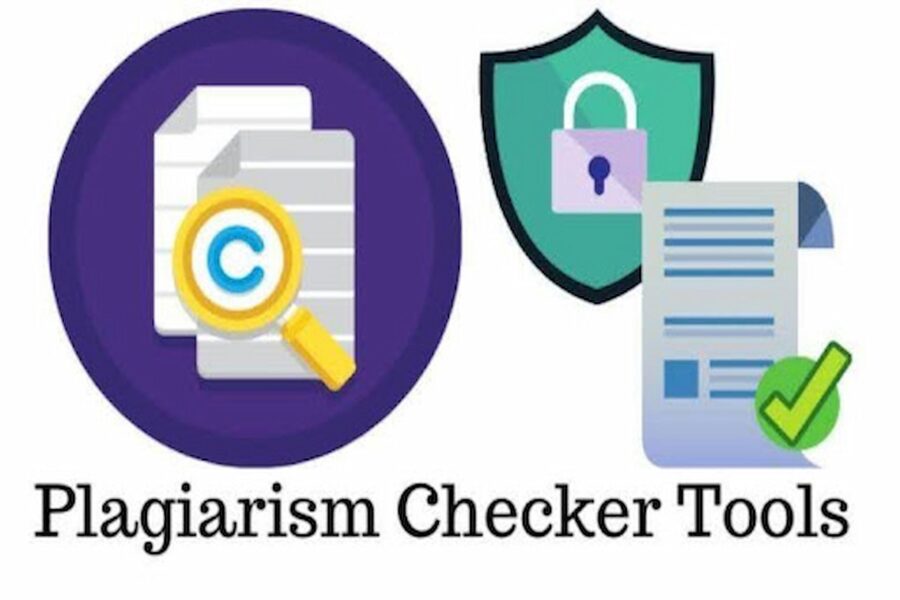
A plagiarism checker is an advanced software application designed to detect instances of copied or heavily paraphrased text. You simply upload your document or paste your text into the platform. The software then acts as a high-speed digital investigator, scanning your words against massive databases of existing content.
These tools rely on sophisticated algorithms to perform text matching. When you submit a document, the software breaks your text down into smaller chunks, usually analyzing specific strings of words. It cross-references these word strings against billions of web pages, academic journals, published books, and previously submitted documents.
Most modern platforms go beyond simple copy-and-paste detection. They use artificial intelligence to identify deep structural similarities and complex paraphrasing. If the software finds a match, it highlights the specific text and provides a direct link to the original source. It then calculates a percentage score, showing you exactly how much of your document matches existing content.
Why a Plagiarism Checker Is Essential
Different fields face unique challenges when it comes to originality. A plagiarism checker provides targeted protection for anyone who relies on written communication.
Protecting Students and Academics
Educational institutions maintain strict academic integrity policies. Submitting an essay that contains uncredited ideas can lead to failing grades, suspension, or even expulsion. A plagiarism checker helps students verify their work before submission. It highlights missing citations and improperly paraphrased quotes. Teachers also use these platforms to evaluate assignments, ensuring a fair grading process for the entire class.
Guiding Professional Writers
Freelance writers, journalists, and authors build their entire careers on unique ideas and original phrasing. When you submit an article to an editor or client, they expect completely original work. A plagiarism checker serves as an essential editing assistant. Writers run their drafts through the software to catch any phrases they might have accidentally memorized during the research phase. This proactive step proves your professionalism and builds lasting trust with your clients.
Safeguarding Businesses
Companies spend heavy resources developing their brand identity and website content. Publishing copied text creates massive legal liabilities and destroys customer trust. Furthermore, search engines actively penalize websites that publish duplicate content, which plummets your search rankings. Businesses use a plagiarism checker to vet marketing materials, guest posts, and freelance submissions. This ensures their messaging remains unique, authentic, and highly visible to potential customers.
Key Benefits of Using a Plagiarism Checker
Integrating a plagiarism checker into your content creation process delivers several major advantages. These tools streamline your workflow and protect your professional standing.
First, they save you an incredible amount of time. Manually searching the internet to verify the originality of a ten-page report is practically impossible. A plagiarism checker processes huge volumes of text in just a few seconds. You get an instant, comprehensive report that highlights exact matches, allowing you to edit efficiently.
Second, they improve your SEO performance. Search engines want to provide users with unique, valuable information. When you use a checker to guarantee your web copy is original, you signal to search engines that your site offers fresh value. This directly contributes to higher organic traffic and better visibility.
Finally, they teach better writing habits. As you use the software regularly, you learn to spot your own weaknesses. You become better at paraphrasing research material and remembering to cite your sources properly. Over time, you naturally write more original and engaging content.
Common Misconceptions About Plagiarism Checkers
Misunderstanding how these platforms operate can lead to frustration and poor editing decisions. Clearing up these myths helps you use the software more effectively.
Many people think a plagiarism checker provides perfect, infallible results. In reality, no software catches absolutely everything. Some tools cannot access proprietary databases, hidden web pages, or newly published offline materials. A low score indicates a high probability of originality, but it does not replace careful human review.
Another common myth is that high scores automatically mean someone stole the content intentionally. This simply is not true. Many common phrases, technical definitions, and industry-standard terms will trigger the software. A medical document discussing basic anatomy might return a high score simply because the terminology is universal. You must always review the context of the matched text.
Some users also fear that a plagiarism checker will steal their work and sell it. Reputable platforms prioritize user privacy and data security. They scan your text against their database but do not claim ownership of your intellectual property or publish it online without your consent.
Tips for Effectively Using a Plagiarism Checker
To get the most value from these verification tools, you need a smart, strategic approach. Follow these practical tips to improve your editing process.
Always Review the Detailed Report
Never make decisions based solely on the final percentage score. You must look at the detailed report. The software might highlight a perfectly formatted quote or a common idiom. Disregard these false alarms and focus entirely on the uncredited text and poorly paraphrased sections. Your human judgment remains the most important part of the review process.
Use Multiple Tools for Critical Documents
Because different platforms access different databases, relying on a single tool limits your scope. If you are submitting a massive thesis or publishing a high-stakes corporate whitepaper, run the text through more than one plagiarism checker. Comparing the reports gives you a much broader safety net and ensures you catch any obscure matches.
Check Your Work Early and Often
Do not wait until the final draft to check your text. Run your document through the software during the drafting phase. This helps you identify poor paraphrasing early, before the structure of your article becomes rigid. Fixing originality issues during the editing process is far easier than completely rewriting a finished piece.
Maintain Your Content’s Integrity
Navigating the modern digital landscape requires vigilance and the right tools. Publishing copied content, whether intentional or completely accidental, can destroy your academic standing, ruin your professional reputation, and invite legal trouble.
Take absolute control of your writing process and defend your credibility. Start exploring the powerful plagiarism-checking tools available to you right now. Incorporate a reliable plagiarism checker into your daily routine to guarantee your content remains authentic, original, and deeply impactful for your audience.